How Much Do Puppy Vaccines Cost? What You Pay For
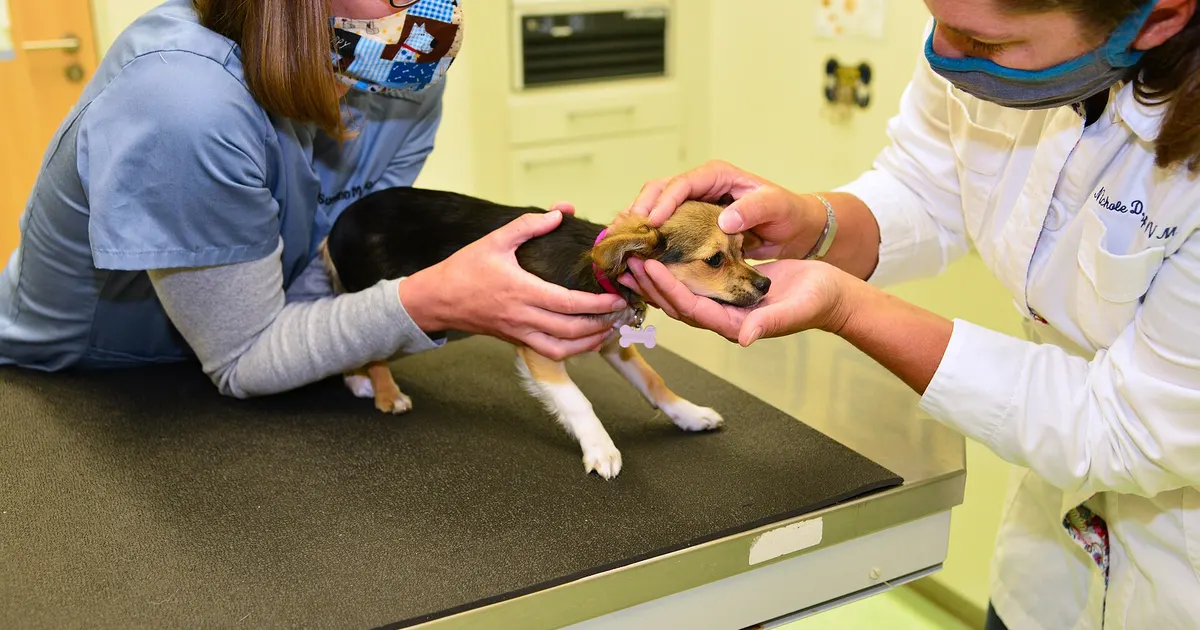
Puppy vaccine prices vary so much between clinics, cities and states that no single figure is reliable. What you can work out is your own total: the number of visits your puppy needs, the price of each vaccine at your clinic, the exam fee for each visit, and any extras such as deworming. Add those up and you have a real budget.
Our puppy vaccination schedule gives you the first half of that sum: enter your puppy’s birthday and it lists every visit and the vaccines due at each one. Take that list to your vet and ask for a price for each line. Your vet sets the final plan, and it can change the cost.
What you actually pay for
A puppy’s vaccine bill is made of a few separate parts. Ask your clinic about each one.
The core vaccines
Core vaccines are the ones every puppy should have. The WSAVA 2024 vaccination guidelines list distemper, adenovirus (hepatitis) and parvovirus. In the US these are usually given together as one combination shot, often called DHPP, which also covers parainfluenza. The AAHA 2022 Canine Vaccination Guidelines also treat leptospirosis and rabies as core in the US.
The number of doses
Core puppy shots are given as a series, not once. WSAVA advises starting at 6 to 8 weeks, repeating every 2 to 4 weeks, and giving the last puppy dose at 16 weeks or older, followed by a booster at or shortly after 26 weeks. The earlier you start and the shorter the gap, the more doses your puppy gets, and each dose is a cost.
The exam fee
Most clinics charge an exam or consultation fee at each visit on top of the vaccine itself. Over a puppy series, the exam fees can add up to a big share of the total, so ask whether the fee applies at every vaccine visit.
Leptospirosis and rabies
In the US, the calculator follows AAHA: two leptospirosis doses 2 to 4 weeks apart from about 12 weeks, and a single rabies vaccine at 12 to 16 weeks as local law requires, with a booster one year later. These are usually given at the same visits as the core shots, so they add to the vaccine cost but not always to the number of visits.
Lifestyle vaccines
Vaccines such as kennel cough (Bordetella), Lyme disease and canine flu are optional and depend on where your dog lives and goes. Boarding kennels, daycares and groomers often require kennel cough. Ask your vet which ones your puppy needs, because each one adds to the bill.
Common extras at puppy visits
These are not vaccines, but they often happen at the same appointments:
- deworming
- a fecal (stool) test for parasites
- flea, tick and heartworm prevention
- a microchip
- a rabies tag or local dog license
How many vet visits to expect
With the calculator’s default settings for the US (first shot at 8 weeks, 4 weeks between shots), the schedule works out to:
| Puppy’s age | What is due |
|---|---|
| 8 weeks | Core puppy shot 1 |
| 12 weeks | Core puppy shot 2, leptospirosis dose 1 |
| 16 weeks | Core puppy shot 3, leptospirosis dose 2, rabies |
| 26 weeks | Core booster |
| About 1 year after the rabies shot | Rabies booster |
Many vets give the core booster at 1 year instead of 26 weeks. If your puppy starts earlier or has shorter gaps between shots, there are more puppy visits. Enter your own puppy’s dates in the schedule calculator to see the exact visits, and see our guide to puppy shots and when they are due for what each vaccine protects against.
How to work out your own total
- Get the schedule. Enter your puppy’s birthday, region, first-shot age and the gap between shots in the calculator. Count the visits.
- Ask your clinic for prices. Get the price of each vaccine on the list, the exam fee per visit and any extras they routinely do.
- Add it up. Use this formula:
Total = (exam fee × number of visits) + (price of each vaccine dose, added up) + extras
- Check the paperwork from the breeder or shelter. Doses your puppy already had count toward the series and can mean fewer visits.
- Ask about puppy packages. Many clinics bundle the whole puppy series, and sometimes the exams, into one price. Compare it with your own total.
Ways to keep the cost down
- Puppy packages or wellness plans at your vet can spread the cost or reduce it.
- Shelters and rescues often vaccinate puppies before adoption, and some include the first shots in the adoption fee.
- Low-cost vaccine clinics run by humane societies or local animal services are common in many US areas. Check that your regular vet will accept their records.
- Bring all records to every visit so no dose is repeated by mistake.
- Don’t skip doses. A missed or late dose can mean restarting part of the series, and treating parvovirus or distemper costs far more than preventing it.
Vaccines are only one part of a puppy’s first-year budget. Our cost of owning a dog calculator lets you add routine vet care, food, prevention and setup costs with your own prices, and our guide to how much a puppy should eat helps with the food side.
Which vaccines your puppy needs, and when, depends on its health and where it lives, so check with your vet before you plan the budget around a schedule.
Frequently asked questions
How much do puppy vaccines cost?
It depends on your clinic, your area and how many doses your puppy needs, so there is no single price. Use the puppy vaccination schedule to list the visits and vaccines, then ask your vet for the exam fee and the price of each vaccine and add them up.
How many rounds of shots does a puppy need?
WSAVA advises core shots every 2 to 4 weeks from 6 to 8 weeks of age, with the last puppy dose at 16 weeks or older, then a booster at about 26 weeks. Starting at 8 weeks with 4-week gaps means shots at 8, 12 and 16 weeks before the booster.
Are puppy shots cheaper at a shelter or low-cost clinic?
They often are, and many shelters vaccinate puppies before adoption. Low-cost clinics usually give the vaccine without a full exam, so you still need regular checkups with a vet. Keep the records and bring them to your vet.
Is the rabies vaccine required?
In the US, rabies vaccination is required by law in most places, and the timing follows your state or local rules. The calculator places it at 12 to 16 weeks with a booster a year later, following AAHA. Check your local requirements with your vet.
Do I have to pay for an exam at every vaccine visit?
Many clinics charge an exam fee at each visit, but policies differ. Ask your clinic before the first appointment, and ask whether they offer a puppy package that includes the exams.