How Old Is My Cat in Human Years? Full Age Chart
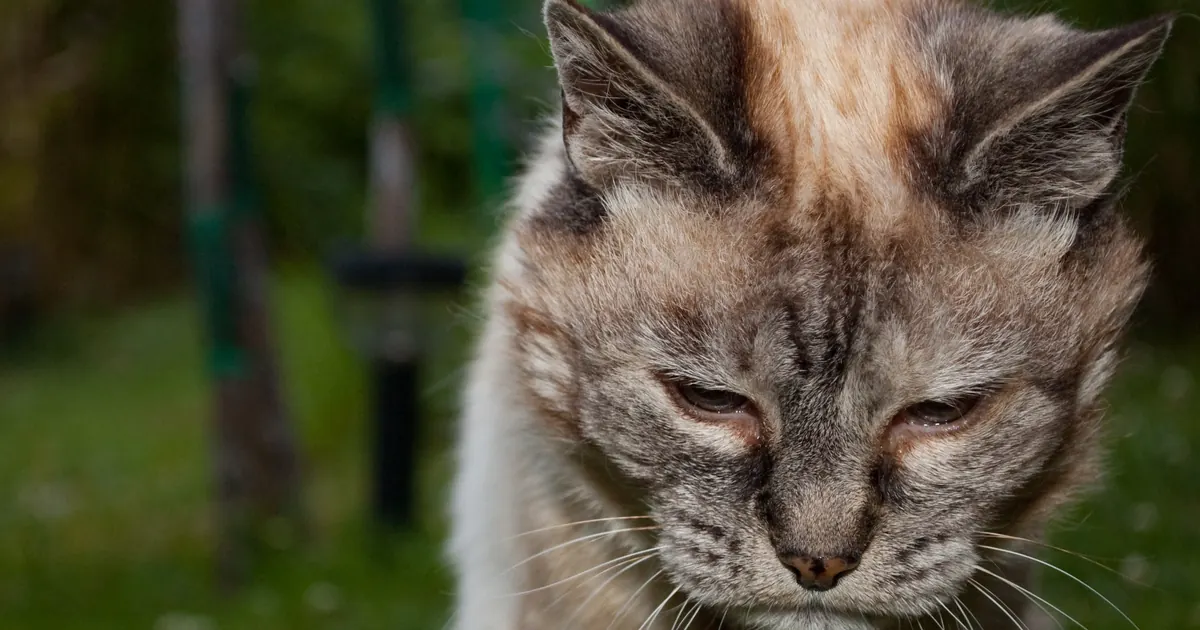
Cats grow up fast. On the age chart published by the American Animal Hospital Association (AAHA), a cat is about 15 in human years at its first birthday and 24 at its second. After that the pace slows to about 4 human years for every cat year. So a 3-year-old cat is about 28, a 10-year-old about 56 and a 15-year-old about 76.
Want the exact number for your cat, including months? Use the cat age calculator.
Cat years to human years chart
| Cat’s age | Human years |
|---|---|
| 6 months | 10 |
| 1 year | 15 |
| 2 years | 24 |
| 3 years | 28 |
| 4 years | 32 |
| 5 years | 36 |
| 6 years | 40 |
| 7 years | 44 |
| 8 years | 48 |
| 9 years | 52 |
| 10 years | 56 |
| 12 years | 64 |
| 14 years | 72 |
| 15 years | 76 |
| 16 years | 80 |
| 18 years | 88 |
| 20 years | 96 |
| 21 years | 100 |
The chart follows the AAHA canine and feline age chart.
How old is my cat in human years if he is 3?
About 28. A cat reaches 15 at one year and 24 at two, then adds 4 human years for each year after that, so a 3-year-old cat is 24 + 4 = 28 in human years. That is a young adult in its prime.
Why isn’t it “multiply by 7”?
Cats don’t age at one steady rate. They do most of their growing up in the first two years, going from a newborn kitten to a fully grown adult, and then age slowly for the rest of their lives. A single multiplier gets both ends wrong: it makes a 1-year-old cat sound like a 7-year-old child when it is really more like a teenager, and it makes a 10-year-old cat sound like it is 70 when the chart says about 56.
Cat life stages
The 2021 AAHA/AAFP Feline Life Stage Guidelines group cats into four stages:
- Kitten: birth to 1 year
- Young adult: 1 to 6 years
- Mature adult: 7 to 10 years
- Senior: 10 years and older
A cat at any age can also be at the end of life if it is very ill. The guidelines suggest at least a yearly vet exam for kittens and adults, and a check-up every six months for senior cats.
Do indoor cats age differently?
The chart is the same for every cat, because breed and size make little difference to how fast cats age. Lifestyle does affect how long a cat lives, though. A study of cats seen by vets in England (O’Neill and colleagues, 2015) found a median lifespan of 14.0 years, with crossbred cats living longer than purebreds. Keeping cats indoors protects them from traffic and fights, but that study did not compare indoor and outdoor cats.
Keeping an older cat healthy
- Watch the weight. Middle-aged cats often put weight on and older cats may lose it. The cat weight calculator shows a healthy target from your cat’s body shape.
- Adjust food with age. Calorie needs change as cats slow down. See the cat food calculator.
- Book regular check-ups. Many problems in older cats, such as kidney disease, are easier to manage when they are found early.
Find your own cat’s age in human years with the cat age calculator.
Sources: American Animal Hospital Association canine and feline age chart; Quimby J. et al. (2021) 2021 AAHA/AAFP Feline Life Stage Guidelines, Journal of Feline Medicine and Surgery 23: 211–233; O’Neill D.G. et al. (2015) Longevity and mortality of cats attending primary care veterinary practices in England, Journal of Feline Medicine and Surgery 17: 125–133. This article is general information, not veterinary advice.