How Much Pumpkin to Give a Dog, and How to Check the Amount
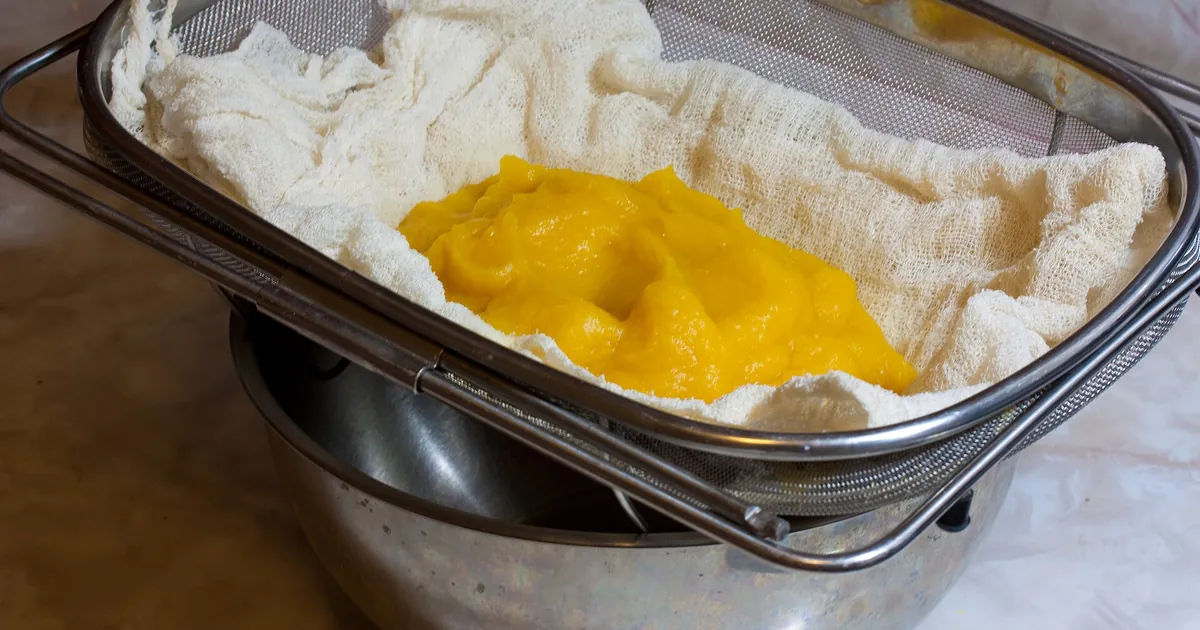
There is no official dose of pumpkin for dogs. The American Kennel Club (AKC) suggests adding 1 to 4 tablespoons of plain canned pumpkin to a meal, starting at the low end, with smaller dogs at the low end of that range. Treat that as a starting estimate rather than a fixed amount, and check with your vet before using pumpkin for a stomach problem, because diarrhea and constipation can have causes that pumpkin won’t fix. The pumpkin for dogs calculator shows what your planned amount adds in calories and fiber, and whether it stays within the limit vets use for extras.
Why pumpkin helps some dogs
Pumpkin is high in fiber and water and low in calories. Fiber can help in two directions:
- Loose stools: soluble fiber soaks up water in the gut, which can help firm up mild, short-lived diarrhea.
- Constipation: fiber adds bulk and, with enough water, helps stool move along.
That’s why the same food is suggested for opposite problems. It is a gentle helper for mild upsets, not a treatment for illness.
Which pumpkin to use
Use 100% pure canned pumpkin. The label should list pumpkin and nothing else.
- Avoid pumpkin pie filling. It has added sugar and spices such as nutmeg.
- Check any sweetened product for xylitol. Xylitol is toxic to dogs.
- Fresh pumpkin works if it’s plain. Cook it without salt, butter or seasoning, remove the skin, stem and seeds, and mash it.
- Pumpkin powder is another option the AKC mentions. Follow the label and your vet’s advice, since powders are more concentrated than puree.
How to work out the amount for your dog
The calculator doesn’t invent a dose. It takes the amount you plan to give and checks it against two things: the AKC’s practical range and the “10% rule” vets use for treats and extras.
- Enter your dog’s weight in pounds.
- Enter the pumpkin per meal in tablespoons. Start at the low end of the AKC range.
- Enter how many meals a day will have pumpkin in them.
- Read the results: pumpkin per day, its weight in ounces, the calories and fiber it adds, its share of your dog’s daily calories, and the 10% limit in tablespoons.
- Watch the warnings. The calculator flags anything above 4 tablespoons per meal and any total that goes past 10% of daily calories.
The numbers behind the calculator
These are the values the calculator uses, from the USDA’s FoodData Central entry for canned pumpkin without salt:
- Canned pumpkin has 34 calories and 2.9 g of fiber per 100 g.
- One cup is 245 g, so 1 tablespoon is about 15 g and about 5.2 calories.
Your dog’s daily calories are estimated from its resting energy requirement (RER):
RER = 70 × (weight in kg) raised to the power 0.75
Daily calories = 1.6 × RER
And the 10% limit for pumpkin works out as:
Limit in tablespoons = (0.1 × daily calories) ÷ 5.2
For most dogs the 10% limit sits well above a few tablespoons, because pumpkin is so low in calories. The real limit is usually fiber: too much can make loose stools worse or cause gas. That’s why starting low matters more than the calorie figure.
Tips for giving pumpkin
- Mix it into the regular meal rather than giving it on its own.
- Keep fresh water out at all times. Fiber works with water, and a dog with diarrhea is already losing fluid. Our guide to how much water a dog should drink a day explains how to keep an eye on intake.
- Start low and change one thing at a time. If you also change the food, you won’t know what helped.
- Freeze leftovers. An opened can spoils in the fridge within days; freezing it in ice cube trays gives you small portions.
- Count it as part of the day’s food. If you give pumpkin often, account for it in the daily portion; see how many cups of dog food per day.
When pumpkin isn’t the answer
Call your vet rather than relying on pumpkin if your dog:
- has diarrhea or constipation that lasts more than a day or two
- has blood in the stool, or black, tarry stool
- is vomiting, very tired, or off its food
- strains with nothing coming out, or seems to be in pain
- is a young puppy, a senior, or has an existing health condition
- may have eaten something it shouldn’t, such as a toy, bones or a toxic food
Straining can also be a sign of a urinary blockage, which is an emergency. If you aren’t sure what you’re seeing, call your vet.
For a short bland diet after an upset stomach, the chicken and rice calculator works out the portions; it is another option to discuss with your vet.
Common mistakes
- Using pie filling instead of pure pumpkin.
- Giving too much at once. More fiber is not better, and a big jump can make diarrhea worse.
- Using pumpkin for weeks without finding out why the stool problem keeps coming back.
- Skipping the vet when there are other signs of illness.
Frequently asked questions
How much pumpkin should I give my dog with diarrhea?
The AKC suggests adding 1 to 4 tablespoons of plain pumpkin to a meal, starting with a small amount, especially for small dogs. Treat that as a starting point, not a dose. Check with your vet first, and call them if the diarrhea lasts more than a day or two or your dog seems unwell.
Does pumpkin work for constipation too?
It can, because fiber adds bulk, but only with enough water. Keep the water bowl full. Constipation that lasts, hard straining, or a dog that is off its food needs a vet, not more pumpkin.
Can I give my dog pumpkin every day?
Some owners add a little to meals as a fiber source, but check with your vet first, especially if your dog has a health condition. Keep extras such as pumpkin under 10% of daily calories, and use the pumpkin for dogs calculator to see where your amount sits.
How long does pumpkin take to work?
It varies from dog to dog, so there is no fixed answer. If you don’t see an improvement within a day or two, or things get worse, stop and call your vet.
Is pumpkin safe for puppies?
Puppies can get dehydrated quickly from diarrhea, and some causes, such as parasites or viral infections, need treatment fast. Call your vet before giving a puppy pumpkin for a stomach problem.