My Dog Ate Chocolate, How Much Is Dangerous?
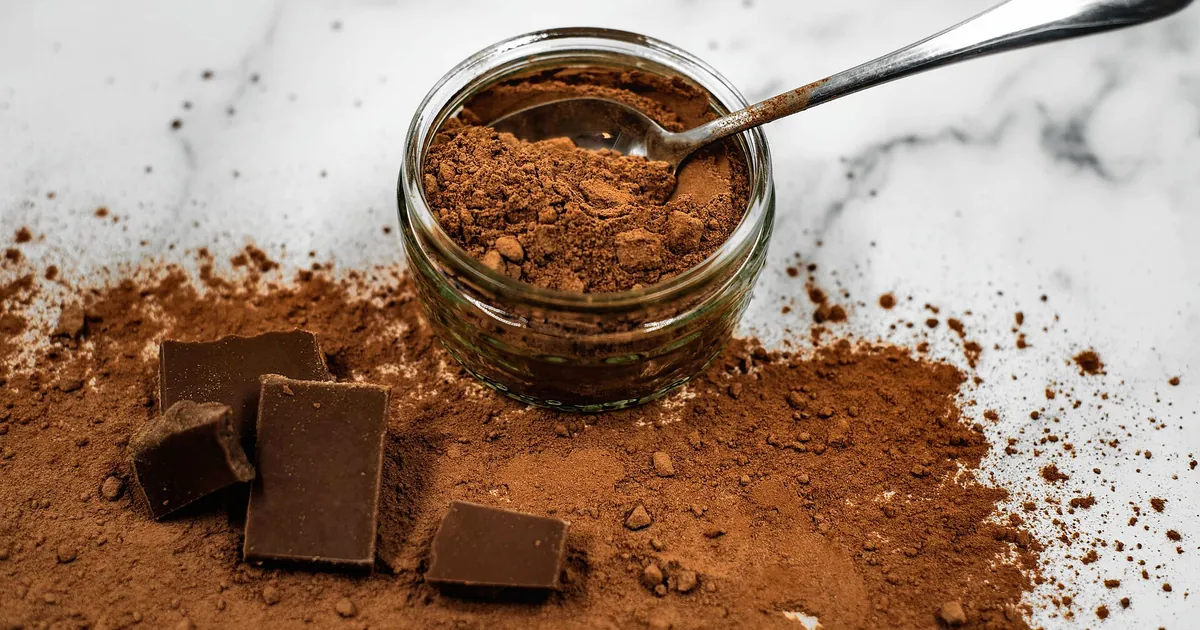
If your dog ate chocolate, call your vet or the ASPCA Animal Poison Control Center at (888) 426-4435 right away, even if your dog seems fine. How dangerous it is depends on three things: the type of chocolate, how much was eaten and how much your dog weighs. Dark chocolate, baking chocolate and cocoa powder are far more dangerous than milk chocolate. Phone first, then use the dog chocolate toxicity calculator to work out the figure your vet will ask about.
What to do right now
- Move your dog away from any chocolate that’s left, and pick up wrappers.
- Call your vet, an emergency vet or a pet poison line. In the US, the ASPCA Animal Poison Control Center is open 24 hours a day, every day, at (888) 426-4435. A consultation fee may apply.
- Have these ready: your dog’s weight, the type of chocolate, the most it could have eaten (the wrapper helps), and roughly when it happened.
- Don’t make your dog vomit unless a vet tells you to. Home remedies can cause harm, and some dogs shouldn’t be made to vomit at all.
- Follow the vet’s advice, even if your dog still looks normal. Signs can take hours to show.
Treatment works best early. A vet can often remove chocolate from the stomach safely if your dog is seen soon after eating it, which is why calling quickly matters more than any number you can work out at home.
Why chocolate is dangerous for dogs
Chocolate contains theobromine and caffeine, two related chemicals called methylxanthines. People break them down quickly. Dogs break them down much more slowly, so they build up and stay in the body for a long time. They affect the gut, the heart and the nervous system.
That slow clearance is also why signs can start late and last a long time, sometimes more than a day.
Why the type of chocolate matters most
Different chocolates contain very different amounts of theobromine and caffeine. From least to most, based on the Merck Veterinary Manual’s figures that our calculator uses:
| Type | Relative risk |
|---|---|
| White chocolate | Very little theobromine, but fat and sugar can still upset the stomach |
| Milk chocolate | Lower than dark, but still dangerous in larger amounts or for small dogs |
| Dark or semisweet chocolate, including chips | Much stronger than milk chocolate |
| Cocoa bean hull mulch (garden mulch) | Stronger than dark chocolate |
| Unsweetened baking chocolate | Very strong |
| Dry cocoa powder | The strongest of all |
If you’re not sure which type your dog ate, assume the darker option and tell your vet.
Watch for chocolate hidden in other foods too: brownies, cakes, cookies, hot cocoa mix and chocolate-covered nuts or raisins. Raisins and some nuts are a separate danger for dogs, so mention every ingredient you know about. Sugar-free chocolate may contain xylitol, which is toxic to dogs on its own; check the label and tell your vet.
Why your dog’s weight matters
The same amount of chocolate is more dangerous for a small dog than a big one, because the chemicals are spread through less body weight. So a piece that a large dog might cope with could make a small dog very ill. Puppies, older dogs and dogs with heart problems may also be more sensitive.
How the calculator works
The dog chocolate toxicity calculator uses the Merck Veterinary Manual’s figures for how much theobromine and caffeine each type of chocolate contains. You enter:
- Your dog’s weight in pounds
- The type of chocolate
- The amount eaten in ounces, from the wrapper (if unsure, enter the most it could have been)
It works out the total amount of theobromine and caffeine eaten and divides it by your dog’s weight in kilograms. It then shows which of Merck’s levels that falls into: below the level for mild signs, mild signs, heart effects, seizures or life-threatening. For dark chocolate it uses the top of Merck’s range, to stay on the safe side.
That figure is something to tell your vet, not a reason to wait. Dogs react differently, and a result in a lower band doesn’t mean your dog is safe. Call your vet whatever the number says.
Signs to watch for
Signs of chocolate poisoning can take several hours to appear. Tell your vet straight away if you see any of these:
- Vomiting or diarrhea
- Drinking a lot more than usual, or peeing more
- Restlessness, hyperactivity or panting
- A racing or irregular heartbeat
- Shaking, muscle tremors or stiffness
- Seizures or collapse
Knowing your dog’s normal habits helps you spot a change; our guide to how much water a dog should drink a day explains what is usual for drinking. If you see seizures, collapse or trouble breathing, go to the nearest emergency vet.
How to prevent it
- Keep chocolate up high or in closed cupboards, never on coffee tables or in bags on the floor.
- Be extra careful at holidays, when chocolate, baking and gifts are around: Halloween, the winter holidays, Valentine’s Day and Easter.
- Tell guests and children not to share chocolate with the dog.
- Check garden mulch. Cocoa bean hull mulch smells sweet to dogs.
- Save the poison line number in your phone now, so you have it when you need it.
Frequently asked questions
How much chocolate is dangerous for a dog?
There’s no single safe amount. It depends on the type of chocolate, how much was eaten and your dog’s weight. Dark chocolate, baking chocolate and cocoa powder are dangerous in much smaller amounts than milk chocolate, and small dogs are at more risk. Call your vet or a pet poison line straight away rather than trying to judge it yourself.
My dog ate chocolate but seems fine. Do I still need to call?
Yes. Signs can take hours to appear, and treatment works best early, before the chocolate is absorbed. Call your vet or the ASPCA Animal Poison Control Center now and let them decide whether your dog needs to be seen.
Should I make my dog throw up?
Only if a vet tells you to. Making a dog vomit at home can cause harm, and it isn’t right for every dog or every situation. Your vet can do it safely if it’s needed.
Is white chocolate safe for dogs?
It contains very little theobromine, so it’s far less likely to cause poisoning, but it isn’t a safe treat. The fat and sugar can still cause vomiting, diarrhea or an inflamed pancreas. Tell your vet if your dog has eaten a lot of it.
How long does chocolate poisoning last in dogs?
Dogs clear theobromine slowly, so signs can last a day or more. How long depends on how much was eaten and how quickly treatment started. Your vet will tell you what to watch for and when to bring your dog back.