How Much Chicken and Rice for a Dog With Diarrhea?
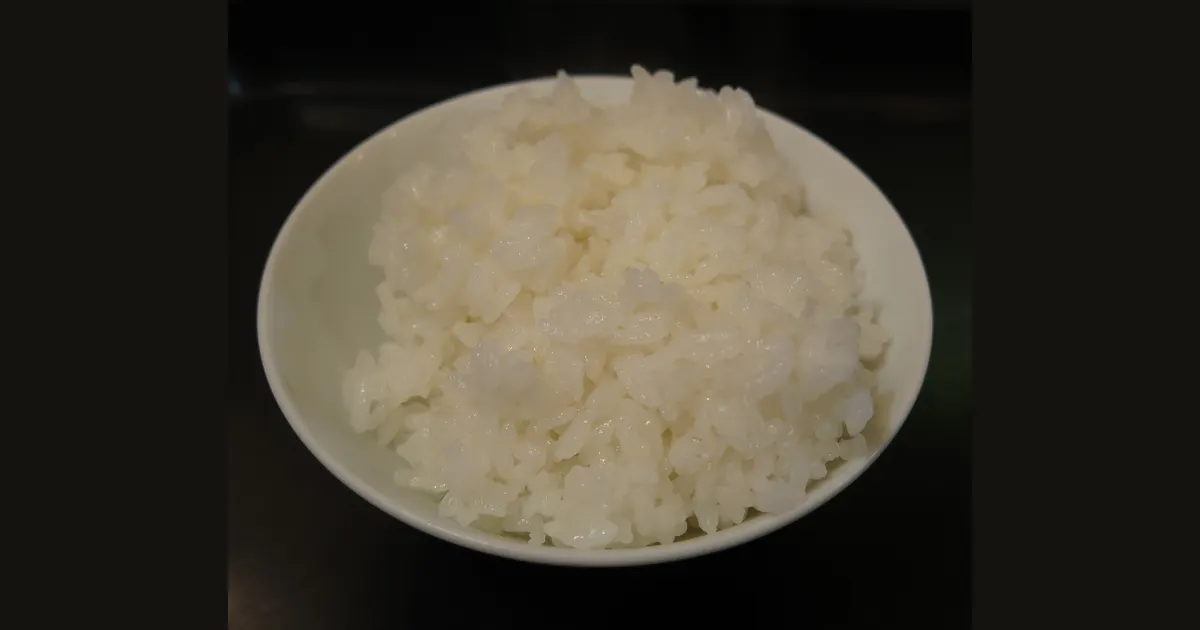
The right amount of chicken and rice depends on your dog’s weight. Vet clinic bland-diet charts give a total amount of food per day for each weight band, and that total is mostly rice: about 3 parts plain white rice to 1 part boiled chicken. Split the day’s total into several small meals, feed it for 2 to 3 days only, and then mix your dog’s normal food back in.
Our chicken and rice calculator does the sums for you: enter your dog’s weight and it shows the daily total, the cups of rice and chicken, and the amount per meal. Treat that number as a starting estimate. Check with your vet before starting a bland diet, and call them straight away if your dog seems unwell.
When chicken and rice can help
Plain white rice and lean, boiled chicken are easy to digest and low in fat and fibre, which gives an upset gut a rest while the stools firm up. It does not treat the cause, and it is not a complete, balanced diet, which is why vet sheets keep it to a few days.
When to call the vet instead
Call your vet rather than managing it at home if:
- there is blood in the stool, or the stool is black and tarry
- your dog is vomiting as well
- your dog is lethargic, weak, or will not eat
- your dog is a puppy or a senior
- your dog has a health condition, or may have eaten something toxic, a toy or a bone
- there is no improvement after 2 to 3 days of bland food
How much chicken and rice to feed
The amount comes from bland-diet charts that vet clinics hand out (our calculator uses the matching charts from Hillside Animal Hospital in St Louis and All Creatures Veterinary Clinic). They list weight bands, from under 5 lb to 100 lb and over, with a total amount of cooked food per day for each.
To work it out:
- Weigh your dog, or use a recent weight from the vet.
- Enter the weight in the calculator. It takes the middle of the chart’s range for that weight band.
- Choose the rice to chicken ratio (see the next section).
- Divide the daily total by the number of meals you plan to give.
The formulas the calculator uses are:
- Rice per day = daily total × r ÷ (r + 1)
- Chicken per day = daily total ÷ (r + 1)
- Per meal = daily total ÷ number of meals
Here r is the rice part of the ratio, so r is 3 for a 3 : 1 mix.
All amounts are cooked food, measured in a standard 8 fl oz cup after cooking and chopping.
The right rice to chicken ratio
A bland diet is mostly rice. The vet sheets our calculator follows use one of two mixes:
| Ratio (rice : chicken) | Share of rice | Share of chicken |
|---|---|---|
| 3 : 1 | 75% | 25% |
| 4 : 1 | 80% | 20% |
| 2 : 1 | about 67% | about 33% |
The 3 : 1 mix is the calculator’s default. The 4 : 1 mix is the “2 cups of rice to half a cup of chicken” version some clinics print. Use the 2 : 1 option only if your vet has asked for a little more protein. A mix that is mostly chicken is richer and can keep the stools loose.
How to make chicken and rice for a dog
The chicken
- Use skinless, boneless chicken breast and trim off all visible fat.
- Cover it with water and boil it until it is cooked through, with no pink in the middle.
- Let it cool, then chop or shred it finely.
Add nothing to it: no oil, butter, salt, garlic, onion, stock cubes or seasoning. Garlic and onion are toxic to dogs, and fat and salt can upset the stomach further.
The rice
- Use plain white rice, not brown rice, which has more fibre.
- Boil it in plain water until soft, then drain it and let it cool.
Mix, portion and store
- Measure the cooked rice and chicken in your chosen ratio and mix them.
- Split the day’s total into meals.
- Keep it covered in the fridge for up to 48 hours, or freeze single portions.
- Serve it at room temperature or slightly warm, never hot.
How often to feed it
Small, frequent meals are easier on an upset gut than one or two big ones. The vet sheets advise 4 to 6 small meals a day, and the calculator starts at 4 meals. Spread them through the day, a few hours apart.
Keep fresh water out all the time, because diarrhea loses water fast. Our post on how much water a dog should drink a day explains what is normal and when it is too much or too little.
A bland diet usually has fewer calories than normal food, which is fine for 2 to 3 days. The calculator estimates calories from USDA FoodData Central values: about 205 kcal per cup of cooked white rice (158 g) and about 231 kcal per cup of chopped chicken breast (140 g).
How to switch back to normal food
Once the stools have firmed up, usually within 2 to 3 days, move back to your dog’s normal food slowly over 4 to 5 days:
- Day 1: 25% normal food and 75% chicken and rice.
- Day 2: 50% normal food and 50% chicken and rice.
- Day 3: 75% normal food and 25% chicken and rice.
- Day 4 or 5: all normal food.
If the stools turn loose again, go back one step and slow down. Keep treats to a minimum for about another week. If you are not sure how much normal food to go back to, our guide to how many cups of dog food per day walks through it.
Common mistakes
- Too much chicken. Keep the mix mostly rice.
- Seasoning the food. Plain means plain: no salt, oil, garlic, onion or stock.
- Feeding it for weeks. It is not a complete diet. Two to three days, then switch back.
- Waiting too long. If there is no improvement in 2 to 3 days, or any warning sign above, call your vet.
Thinking of adding canned pumpkin? Read how much pumpkin to give a dog first.
Frequently asked questions
How much chicken and rice should I give my dog with diarrhea?
It depends on your dog’s weight. Vet bland-diet charts give a total amount of cooked food per day for each weight band, and you split that total into several small meals. Enter your dog’s weight in the chicken and rice calculator to see the daily total, the rice and chicken in cups, and the amount per meal, and check with your vet before you start.
What is the right ratio of rice to chicken for a dog?
Vet clinic sheets use about 3 parts rice to 1 part chicken (75% rice), or 4 parts rice to 1 part chicken. The mix should always be mostly rice. Only use more chicken than that if your vet has told you to.
How long can a dog eat chicken and rice?
Usually only 2 to 3 days, until the stools firm up, followed by a 4 to 5 day switch back to normal food. Chicken and rice is not complete and balanced, so it is not meant for long-term feeding.
Can I use brown rice or chicken thighs instead?
It is better not to. Brown rice has more fibre and chicken thighs and skin have more fat, and both are harder on an upset stomach. Plain white rice and skinless, boneless chicken breast with the fat trimmed off are what the vet sheets use.
When should I take my dog to the vet for diarrhea?
Call your vet if there is blood in the stool, vomiting, lethargy, refusal to eat, a puppy or senior dog, a dog with a health condition, a chance your dog ate something toxic, or no improvement after 2 to 3 days. When in doubt, call. A bland diet is only for mild, short-lived tummy upsets in an otherwise well dog.